Logistics & Supply
Real-time tracking systems, route optimization AI, and automated fleet management.

TECHNOLOGY FOR LOGISTICS & SUPPLY
[ Overview ]
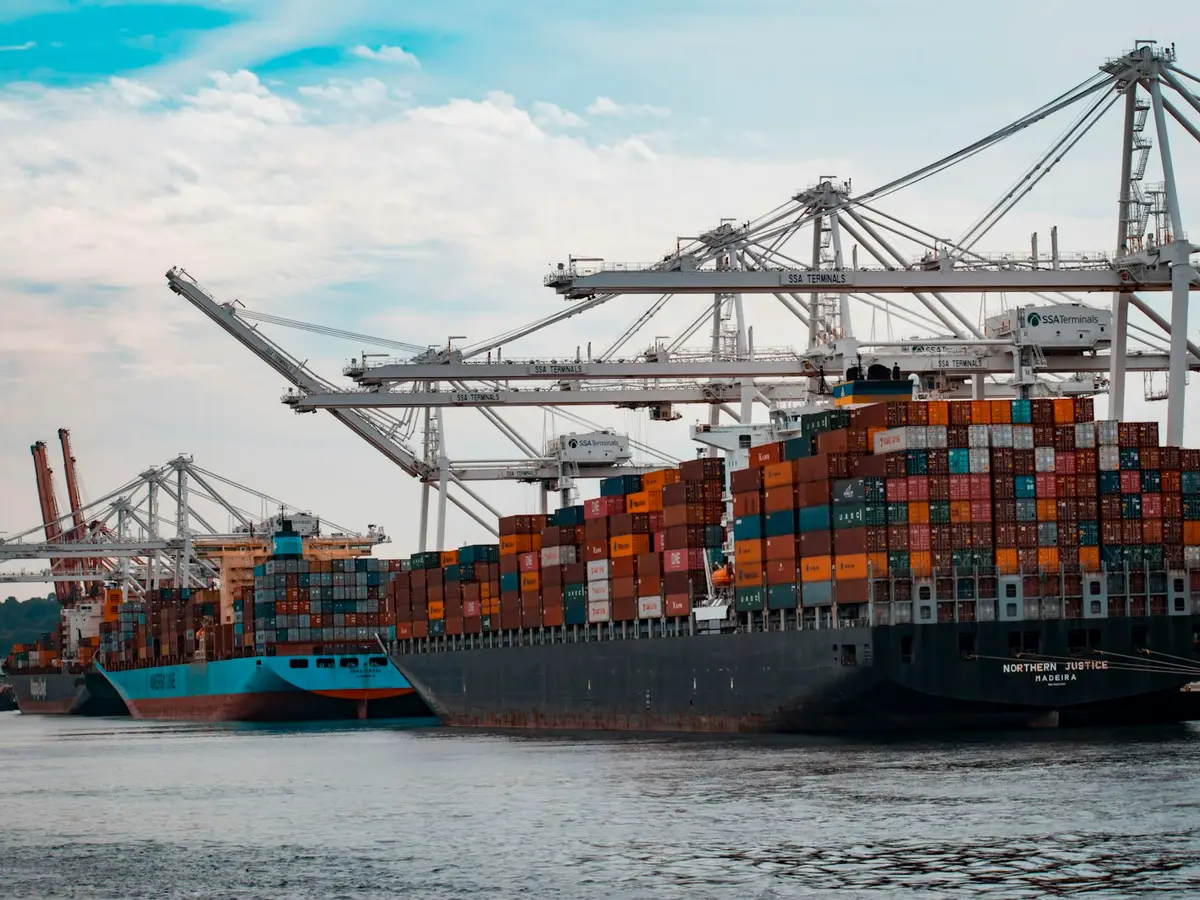
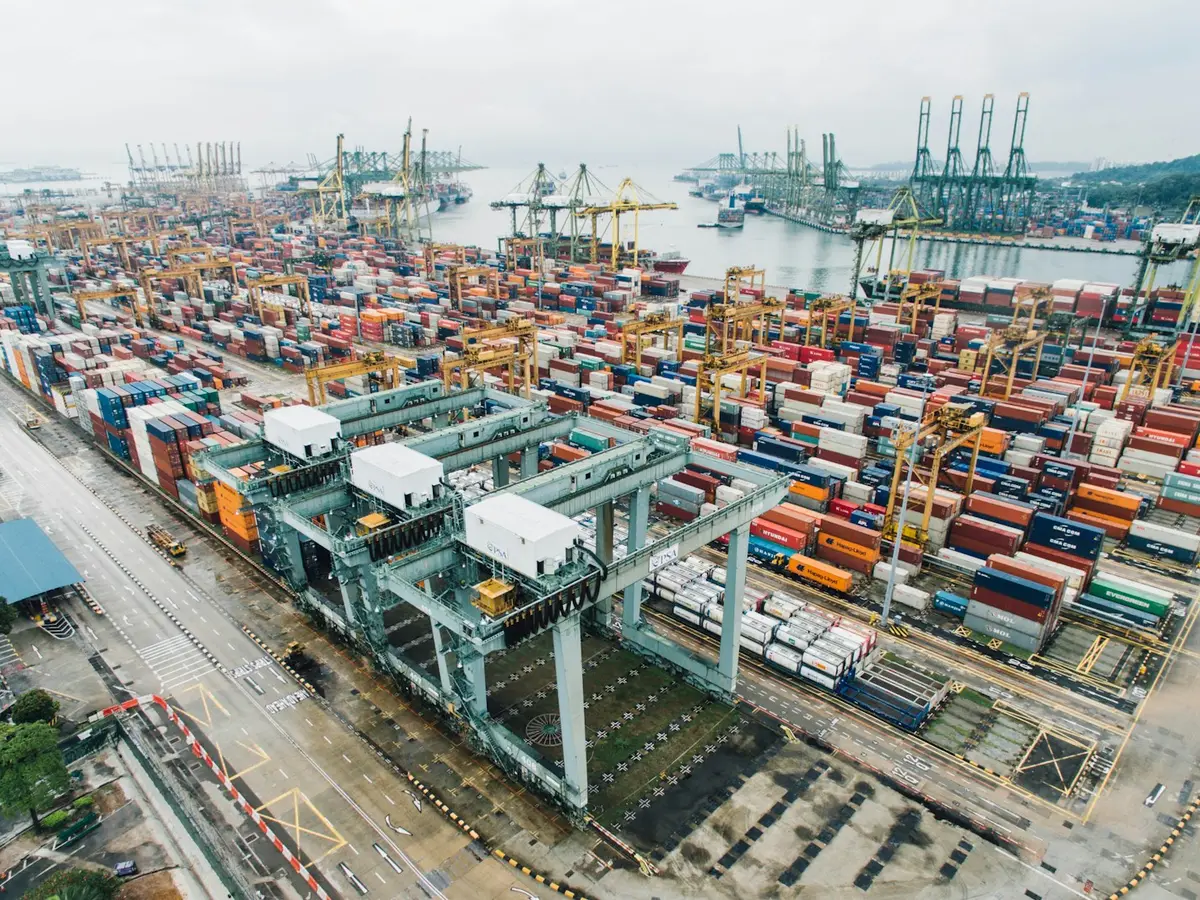
Logistics runs on thin margins and tight timelines. Late deliveries, empty miles and warehouse errors accumulate into real cost, and customers now expect live tracking and accurate delivery windows as standard rather than as a premium extra.
Netstatic Solutions builds software for transporters, courier firms, warehouses, 3PL providers and shippers. We develop live tracking, dispatch and route planning tools, driver and customer apps, and warehouse systems that give operations teams a dependable picture of where every consignment is.
Our work connects GPS devices, telematics, ERP and carrier systems into one operational view. We design for patchy mobile connectivity in the field, large volumes of location data and role-based access, so planners, drivers, customers and partners each see what is relevant to them.
INDUSTRY CHALLENGES
[ The Problem ]
Limited shipment visibility
Without live location and status updates, dispatchers rely on phone calls, and customers cannot be given trustworthy delivery estimates.
Inefficient routes and loads
Manual planning ignores traffic, time windows and vehicle capacity, leading to extra distance, delays and underused vehicles.
Warehouse errors
Mis-picks, misplaced stock and paper-based processes slow dispatch and create mismatches between physical and system inventory.
Unreliable field connectivity
Drivers and warehouse staff work in areas with weak networks, so apps must keep working offline and synchronise safely later.
WHAT WE BUILD
[ Our Approach ]
Real-time fleet tracking
Live maps, geofences, trip history and alerts built on GPS and telematics data, with efficient ingestion pipelines designed to handle thousands of vehicles and frequent location updates.
Route optimisation with AI
Planning engines that consider time windows, capacity, traffic patterns and driver constraints to propose efficient routes, with planners able to review and adjust before dispatch.
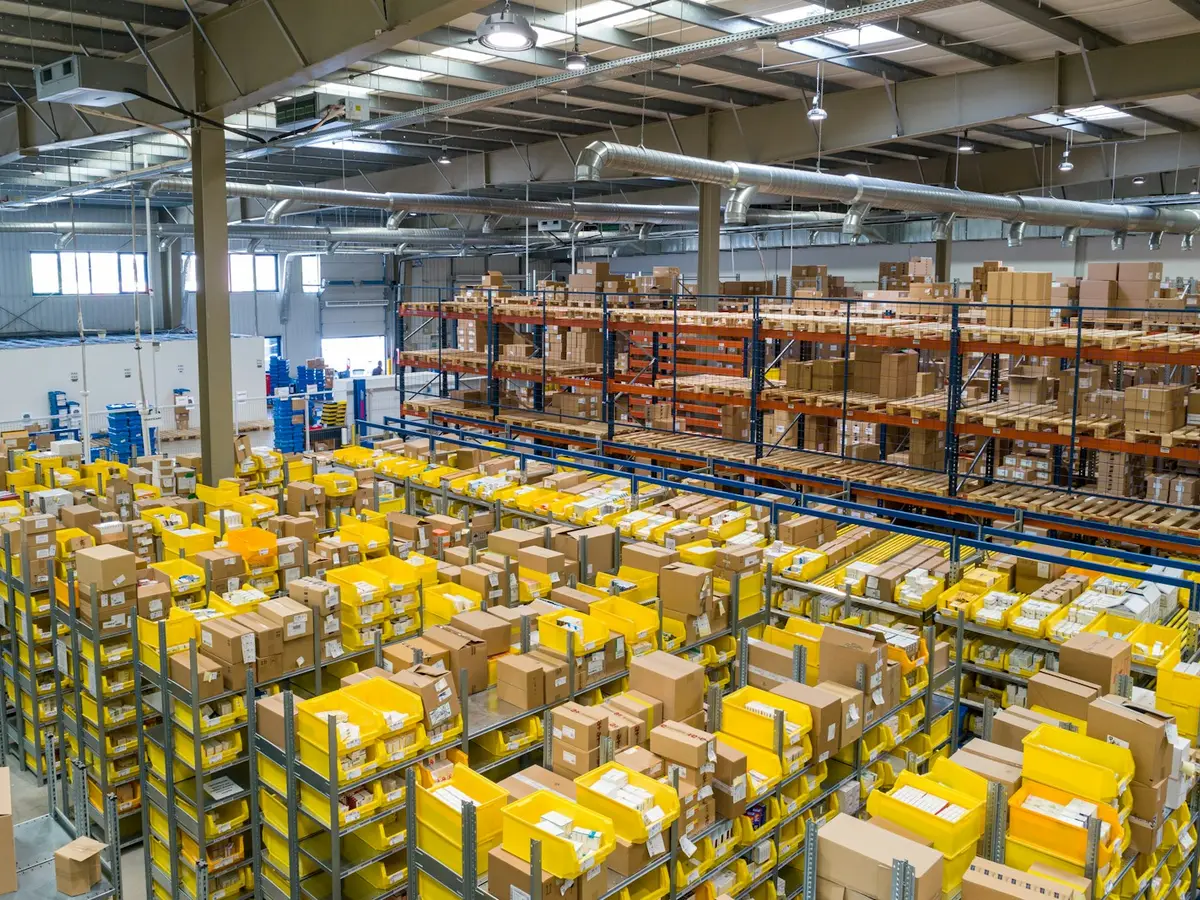
Warehouse management systems
Receiving, putaway, picking, packing and dispatch workflows with barcode scanning and bin-level inventory, supporting accuracy and faster order handling in busy facilities and documented clearly for your team.
Driver and customer apps
Mobile apps for task lists, proof of delivery, signatures and photos, plus customer tracking pages, built to work offline and sync automatically when connectivity returns.
Transport management integrations
Connections to ERP, e-way bill, courier and marketplace systems so orders, consignments and invoices flow without duplicate entry between your partners and internal teams and documented clearly for your team.
Demand and ETA forecasting
Models that estimate arrival times and shipment volumes from historical data, supporting capacity planning while being clear about uncertainty and the data they depend on.
USE CASES
[ In Practice ]
Live trip monitoring
A transporter tracks vehicles on one map and receives alerts for route deviation, long halts or late arrival.
Last-mile delivery planning
A courier company assigns and sequences daily deliveries per rider with customer time slots.
Barcode-driven warehouse
A distribution centre moves from paper pick lists to scanner-guided picking with real-time stock updates.
Customer tracking portal
A 3PL gives clients a branded portal with consignment status, proof of delivery and downloadable documents.
SERVICES WE APPLY
[ Services ]
COMMON QUESTIONS
[ FAQ ]
Which tracking devices can you integrate with?
How does route optimisation work in practice?
Will the driver app work without internet?
Can you connect with our ERP or accounting system?
OTHER DOMAINS
[ Industries ]
Let's Build
Together.
Share your goals and we will design the right Logistics & Supply solution with you.