

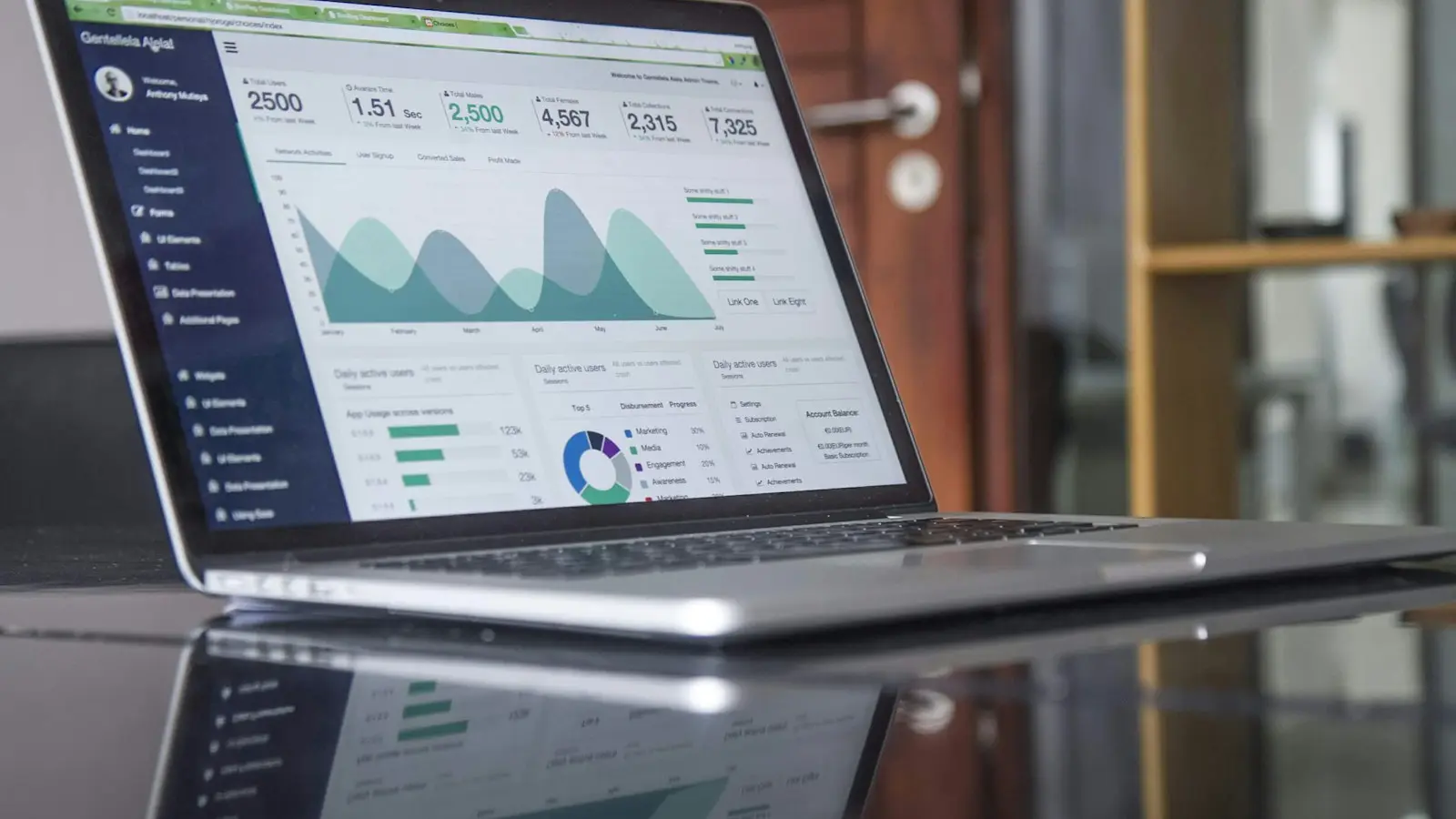

In 2026, launching a website is merely the baseline of commercial survival. The defining business challenge is whether that digital platform is discoverable by search engines, understood by generative AI answer engines, and engineered to turn high-intent organic visitors into qualified enterprise inquiries.
Modern website optimization in 2026 is no longer about isolated keyword density or vanity metrics. Sustainable organic growth requires a triad of: (1) Engineering-grade Technical SEO (sub-second Core Web Vitals, SSR/SSG rendering, pristine crawlability), (2) Generative & Answer Engine Optimization (GEO/AEO) (structured semantic schemas, explicit entity relationships, direct extractable facts for Google AI Overviews and LLMs), and (3) Frictionless B2B Conversion Architecture. Businesses that replace generic page builders with custom, performance-engineered web architectures achieve 3x to 5x higher organic retention and compound qualified inbound inquiries without endless paid ad expenditures.
Hundreds of startups and small-to-medium enterprises (SMEs) across India invest heavily in web design, only to discover their sites languish on page five of search results. A visually attractive website that suffers from bloated client bundles, layout shifts, missing semantic markup, or generic messaging fails both human buyers and robotic search crawlers.
At Netstatic Solutions, we bridge the divide between high-performance software engineering, SaaS architecture, and technical search visibility. This guide lays out the complete architectural blueprint for small businesses, startups, and mid-market organizations seeking dominant organic reach, local authority in markets like Bhopal and Madhya Pradesh, and nationwide scalability across India.
Table of Contents
- 1. The Economics of Organic Growth vs. Paid Ad Dependency
- 2. The Four Pillars of 2026 Website Optimization
- 3. Engineering-Grade Technical SEO & Core Web Vitals
- 4. AEO & GEO: Structuring for AI Overviews, Perplexity & ChatGPT
- 5. Architectural Comparison: Custom High-Performance Stack vs. Generic CMS
- 6. Local SEO Mastery: Dominating Bhopal & Scaling Nationwide
- 7. B2B Conversion Engineering: Turning Crawlers into Contracts
- 8. The 6-Step Implementation Roadmap for Small Businesses
- 9. Fatal SEO Pitfalls & Outdated Myths to Eliminate
- 10. How Netstatic Solutions Engineers Digital Platforms for Scale
- 11. Frequently Asked Questions (FAQ)
1. The Economics of Organic Growth vs. Paid Ad Dependency
For many emerging businesses, Pay-Per-Click (PPC) campaigns on Google Ads and social channels appear to be the simplest route to market. While paid ads deliver instantaneous traffic, their financial dynamics create an unsustainable treadmill: the moment campaign budgets are paused, customer acquisition immediately halts.
Search Engine Optimization (SEO) represents a capital expenditure into digital infrastructure. Rather than renting clicks at ever-inflating auction prices, technical optimization builds an enduring equity asset that compounds in value over time:
- [Zero Marginal Cost Per Lead:] Once high-intent service and product pages rank for competitive phrases, inbound traffic arrives 24/7 without incremental ad spend.
- [High Commercial Intent:] Unlike social interruption ads, users initiating searches on Google or Bing possess active intent—they are looking for specific solutions, vendors, or custom software capabilities.
- [Authority & Brand Equity:] B2B enterprise procurement officers and IT decision-makers inherently trust organic category leaders over sponsored placements with ad labels.
- [Resilience to Market Fluctuations:] Well-architected organic foundations insulate small businesses against sudden shifts in social algorithms and surging cost-per-click rates.
2. The Four Pillars of 2026 Website Optimization
Search engine ranking algorithms evaluate hundreds of signals across every page request. Winning in modern search requires balancing four distinct technical and editorial disciplines:
| Pillar | Focus Area | Key Deliverables & Impact |
|---|---|---|
| Technical SEO | Crawlability, Performance, Architecture | Sub-second LCP, zero CLS, clean Next.js/Turbopack builds, dynamic sitemaps, robots directives for AI crawlers, and canonical link hygiene. |
| On-Page Optimization | Content Semantics, Entity Structuring | Accurate metadata, single H1 hierarchies, contextual internal linking, WebP/AVIF image compression, descriptive alt text, and semantic HTML5 tags. |
| Answer & Generative SEO (AEO/GEO) | LLM Readability, Direct Knowledge Extraction | Structured JSON-LD schema (Organization, LocalBusiness, FAQPage, SoftwareApplication), bulleted takeaways, /llms.txt manifests, and concise answers to specific queries. |
| Conversion Architecture | UX, Navigation, Lead Capture | Clear value props, interactive contact protocols, mobile touch ergonomics, responsive pricing/deliverable tables, and low-friction inquiry channels. |
3. Engineering-Grade Technical SEO & Core Web Vitals
Google's ranking systems place immense weight on page experience through Core Web Vitals. A website that renders sluggishly or shifts unpredictably during page load degrades user trust, increases bounce rates, and receives algorithmic penalties:
- [Largest Contentful Paint (LCP):] Measures perceived loading speed. Top-performing sites render their hero content in under 1.2 seconds by preloading critical fonts and optimizing above-the-fold media.
- [Interaction to Next Paint (INP):] Replaced First Input Delay (FID) to evaluate total interface responsiveness. Heavy JavaScript main-thread blocking causes sluggish input handling, directly depressing mobile rankings.
- [Cumulative Layout Shift (CLS):] Measures visual stability. Elements jumping as late-loading assets or unsized images appear create frustration and violate layout stability guidelines.
To achieve flawless Core Web Vitals, Netstatic utilizes modern framework architectures like Next.js Static Site Generation (SSG) and Incremental Static Regeneration (ISR). By compiling high-speed static HTML pages served directly from global edge CDNs, response times drop below 100 milliseconds without sacrificing dynamic functionality.
4. AEO & GEO: Structuring for AI Overviews, Perplexity & ChatGPT
The search landscape in 2026 is fundamentally dual-natured: users consult traditional search result pages, while also consuming direct synthetic answers generated by Google AI Overviews, OpenAI ChatGPT Search, Microsoft Copilot, Perplexity AI, Grok, and Claude.
Optimizing for these generative engines requires Answer Engine Optimization (AEO) and Generative Engine Optimization (GEO):
- [Direct Inverted-Pyramid Answers:] Place concise, un-gated factual definitions (40–60 words) immediately below question-based H2/H3 headings. AI summary scrapers ingest these high-density answers for their direct snippets.
- [Explicit Entity Graphs:] Connect your business, founders, products, and services using Schema.org JSON-LD (e.g., Organization, SoftwareApplication, Service). This allows knowledge engines to confirm your corporate legitimacy.
- [Dedicated AI Crawl Manifests (/llms.txt):] By publishing standardized machine-readable guides such as
/llms.txt, web architectures explicitly tell autonomous agents what domains, APIs, and services your company provides. - [Permissive AI Robots Directives:] Explicitly allow friendly AI indexers (Google-Extended, PerplexityBot, ClaudeBot, GrokBot) while protecting sensitive administrative routes.
5. Architectural Comparison: Custom High-Performance Stack vs. Generic CMS
Many small businesses mistakenly assume that using an off-the-shelf theme on a generic CMS builder is sufficient. However, plugin bloat, excessive database queries, and rigid HTML templates severely hamper search ranking potential:
| Evaluation Criteria | Generic CMS / Drag-and-Drop Builder | Custom Engineered Stack (Next.js / Node / Tailwind) |
|---|---|---|
| Time to First Byte (TTFB) | 800ms – 2500ms (Database bottleneck, multiple plugin hooks) | < 80ms (Pre-compiled edge static HTML cache) |
| Core Web Vitals Score | Poor to Moderate (Heavy render-blocking JavaScript, layout shifts) | 95–100 / 100 on Mobile & Desktop |
| Custom Schema & AEO Control | Rigid, limited to third-party plugin capabilities | Full granular schema graphs (Organization, SoftwareApplication, FAQs) |
| Security Vulnerabilities | Frequent plugin exploits, unpatched CMS vulnerabilities | Zero-surface static delivery, automated CI/CD, Zero Trust architecture |
| Long-Term Scalability | Requires expensive hosting upgrades to handle traffic spikes | Infinite horizontal edge scaling with near-zero marginal infrastructure cost |
6. Local SEO Mastery: Dominating Bhopal & Scaling Nationwide
For businesses rooted in technological hubs like Bhopal, Madhya Pradesh, regional search prominence provides immediate commercial validation. A business targeting B2B clients must balance local geographical relevance with nationwide service reach:
- [LocalBusiness Structured Data:] Embed PostalAddress and geo-coordinates in root schema markup to establish clear geographical provenance with search engines.
- [Consistent NAP Hygiene:] Ensure Company Name, Physical Address, and Phone Number match identically across your website, Google Business Profile, LinkedIn company directory, and local business registers.
- [Dual-Intent Keyword Mapping:] Target high-intent local phrases (e.g., "IT company in Bhopal", "software development company in Bhopal") on core brand assets, while positioning product and SaaS solutions (e.g., "Enterprise HRMS Software", "School ERP Software", "API Testing Tools") for broad Pan-India and global reach.
7. B2B Conversion Engineering: Turning Crawlers into Contracts
High search rankings without commercial conversions is a hollow victory. The purpose of website optimization is to shepherd a qualified visitor through an intuitive, confidence-inspiring journey that ends in a business conversation:
Phase 1: Arrival & Immediate Validation → User lands on an educational guide or service page with clear heading hierarchy and zero intrusive popups.
Phase 2: Deep Technical Engagement → Visitor finds concrete architectures, comparison matrices, and proof of engineering competence.
Phase 3: Contextual Interlinking → Relevant service pages (such as AI Development or custom Software Services) guide the user toward actionable solutions.
Phase 4: Frictionless Contact Trigger → Accessible, multi-channel inquiry pathways (Interactive Contact Form, WhatsApp direct protocol, official email) allow immediate project initiation.
8. The 6-Step Implementation Roadmap for Small Businesses
-
Step 1: Perform an Exhaustive Technical Audit
Run Google PageSpeed Insights and Lighthouse. Resolve render-blocking CSS/JS, eliminate Cumulative Layout Shift, convert raster images to WebP/AVIF, and verify SSL security headers. -
Step 2: Map Search Intent to Core Architecture
Group target keywords into logical silos: informational queries go to in-depth research blogs, transactional queries map to product and service landing pages, and regional terms route to the homepage. -
Step 3: Implement Rigorous Semantic Metadata & Schema
Inject complete JSON-LD Structured Data for Organization, LocalBusiness, BreadcrumbList, and FAQPage. Add verified Open Graph and Twitter Card tags to ensure premium presentation across social shares. -
Step 4: Establish Answer Engine Feeds (AEO & GEO)
Provide machine-readable summaries, clear bulleted feature lists, and an explicit/llms.txtfile to help generative AI models (ChatGPT, Gemini, Claude, Perplexity) reference your services accurately. -
Step 5: Publish High-Authority Educational Content
Release comprehensive, original guides that address genuine technical bottlenecks faced by your target audience. Never publish generic or regurgitated fluff. -
Step 6: Monitor Search Console & Iterate Continuously
Review Google Search Console performance data weekly. Identify high-impression, low-click queries to refine title tags, and update under-performing sections with fresh engineering data.
9. Fatal SEO Pitfalls & Outdated Myths to Eliminate
Search engine ranking factors have evolved significantly. Small business owners must unlearn antiquated tactics that harm rather than help organic standing:
- [Myth 1: Keyword Stuffing Works:] Repeating exact-match search terms unnaturally in body copy triggers spam filters and repels human buyers. Modern search engines evaluate semantic topic depth, context, and entity relationships.
- [Myth 2: Meta Keywords Tag Matters:] Google has completely ignored the
meta keywordsHTML tag for over a decade. Focus your effort on compelling meta titles and high-click-through descriptions. - [Myth 3: More Backlinks Always Beat Better Architecture:] Thousands of low-quality directory links will not rescue a slow, broken, or insecure site. Modern ranking algorithms prioritize technical page experience, user satisfaction, and contextual relevance.
- [Myth 4: AI Overviews Will Kill All Website Traffic:] While AI answer summaries reduce clicks for simple trivia queries, in-depth B2B purchasing, custom software procurement, and technical partnerships still demand deep human evaluation on official corporate websites.
10. How Netstatic Solutions Engineers Digital Platforms for Scale
Netstatic Solutions is a technology and product development company head-quartered in Bhopal, India, delivering enterprise-grade software solutions worldwide. We reject generic, bloated templates in favor of tailored, performance-engineered architectures:
- [Custom Web & Enterprise Platforms:] Built with Next.js, React, Node.js, and Java Spring Boot for lightning-fast speeds and resilient uptime.
- [Proprietary Products & SaaS Solutions:] Delivering high-impact platforms including HRMS software, School ERP systems, and developer tools like NetFetch.
- [AI & Cognitive Workflows:] Embedding agentic intelligence, computer vision, and retrieval-augmented generation (RAG) into corporate software.
- [End-to-End Digital Engineering:] From cybersecurity and Zero Trust cloud infrastructure to technical search engine dominance.
Ready to Architect Your Digital Growth Engine?
Whether you need a custom SaaS platform, high-performance web architecture, or end-to-end technical optimization, let's architect a solution that dominates organic search and accelerates business conversions.
11. Frequently Asked Questions (FAQ)
How long does SEO and website optimization take to show measurable business results? +
Technical optimization fixes (such as resolving Core Web Vitals, fixing indexing bottlenecks, and submitting schema) frequently reflect in search crawl performance within 2 to 4 weeks. However, significant organic ranking improvements for competitive commercial and local keywords typically manifest across 3 to 6 months of steady content authority building and link equity development.
Can a new small business or startup website rank on Google in 2026 despite entrenched competitors? +
Yes. Modern search algorithms reward specific topical depth, fast page experiences, and direct answers over generic corporate domains. By targeting high-intent long-tail keywords, maintaining flawless technical Core Web Vitals, and implementing AEO/GEO structured data, new websites can reliably outrank older, bloated competitors for specialized buyer queries.
What is the key difference between SEO, AEO, and GEO? +
SEO (Search Engine Optimization) focuses on ranking web pages in traditional search engine results (SERPs). AEO (Answer Engine Optimization) focuses on optimizing content structure to win featured snippets and voice search answers. GEO (Generative Engine Optimization) structures web data and entity relationships so large language models (such as Google AI Overviews, ChatGPT, Gemini, and Perplexity) accurately cite and summarize your business.
Why is custom website development superior to template builders for SEO? +
Generic website builders package heavy JavaScript libraries, un-optimized CSS frameworks, and bloated third-party plugins that degrade page load speed and Core Web Vitals. Custom development frameworks like Next.js produce pre-rendered static HTML, clean semantic hierarchies, and instant edge responses—giving search engine crawlers zero friction when indexing pages.
How should a Bhopal-based company balance local search with national client acquisition? +
Implement a hybrid SEO strategy: anchor your physical entity in Bhopal using LocalBusiness schema, Google Business Profile verification, and local citations for geographic authority, while creating dedicated, non-localized product and service pages targeting national and international keywords (e.g., SaaS platforms, custom software development, enterprise HRMS).
What are Core Web Vitals and why are they critical for ranking? +
Core Web Vitals are Google's standardized metrics for user experience: Largest Contentful Paint (LCP for loading speed), Interaction to Next Paint (INP for responsiveness), and Cumulative Layout Shift (CLS for visual stability). Websites that pass Core Web Vitals thresholds receive preferential indexing and ranking over slower alternatives.
Is paid advertising (PPC) better than investing in SEO for small businesses? +
PPC provides immediate, short-term visibility for specific sales campaigns, but requires ongoing budget. Once advertising spend stops, traffic drops to zero. SEO is an enduring business investment that compounds in value, establishing long-term brand equity and generating qualified inbound leads at zero marginal cost per click.
How does structured schema data help AI search engines understand my business? +
Structured data (JSON-LD) uses standardized Schema.org vocabularies to explicitly define your business entity, location, contact points, software products, and FAQs. Instead of relying on heuristic text parsing, search crawlers and AI models directly ingest these machine-readable facts, vastly increasing your odds of being cited as an authoritative source.